
UK Grocery Inflation Eases to 5% in August 2025
UK grocery inflation eases to 5% in August 2025, showing slight relief. Consumers shift to value shopping as branded items rise and dining out declines.













UK grocery inflation eases to 5% in August 2025, showing slight relief. Consumers shift to value shopping as branded items rise and dining out declines.

Zelenskiy–Trump summit boosts markets as equities rise and the dollar steadies amid growing peace hopes. Investors await Fed insights at Jackson Hole for further direction.

Statistics Canada is investigating an accidental early release of June manufacturing data, raising concerns over data governance and market integrity. The agency has launched an internal review to strengthen its publishing protocols.

Investor confidence in France is deteriorating as political gridlock and budgetary uncertainty deepen.
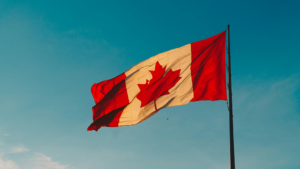
June 09, 2025: Canada will host the 50th G7 Summit from June 15 to 17 in Kananaskis, Alberta, amid heightened global tensions and economic rifts.

May 30, 2025: Canada’s economy expanded at an annualized rate of 2.2% in the first quarter of 2025, outperforming the market forecast of 1.7%.

At seventeen, Professor Richard Rose stepped into a world few adults dare to navigate: the world of children fractured by trauma. He wasn’t a clinician then, nor a scholar. He was simply a young man with a heart tuned to the quiet ache of others.

Following a distinguished Law Enforcement career Joe McGee founded The Securitatem Group to provide contemporary global operational specialist security and specialist security training products and services for private clients, corporate organisations, and Government bodies. They deliver a wide range of services, including complete end-to-end protection packages, close protection, residential security, protection drivers, and online and physical installations. They provide covert and overt investigations and specialist surveillance services with a Broad range of weapons and tactical-based training, including conflict management, risk and threat management, tactical training, tactical medicine, and command and control training.

Jay Wright, CEO and Co-Owner of Virgin Wines infectious energy, enthusiasm, passion and drive has been instrumental in creating an environment that encourages talent to thrive and a culture that puts the customer at the very heart of every decision-making process.
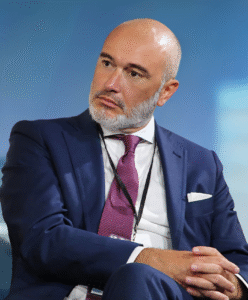
Fabio de Concilio is the visionary CEO & Chairman of the Board at Farmacosmo, a leading organization dedicated to mental health and community support services. With a deep commitment to identifying and meeting customer needs, Fabio ensures that high standards are maintained across the board.